

What is Bill C-3? Canadian citizenship by descent explained
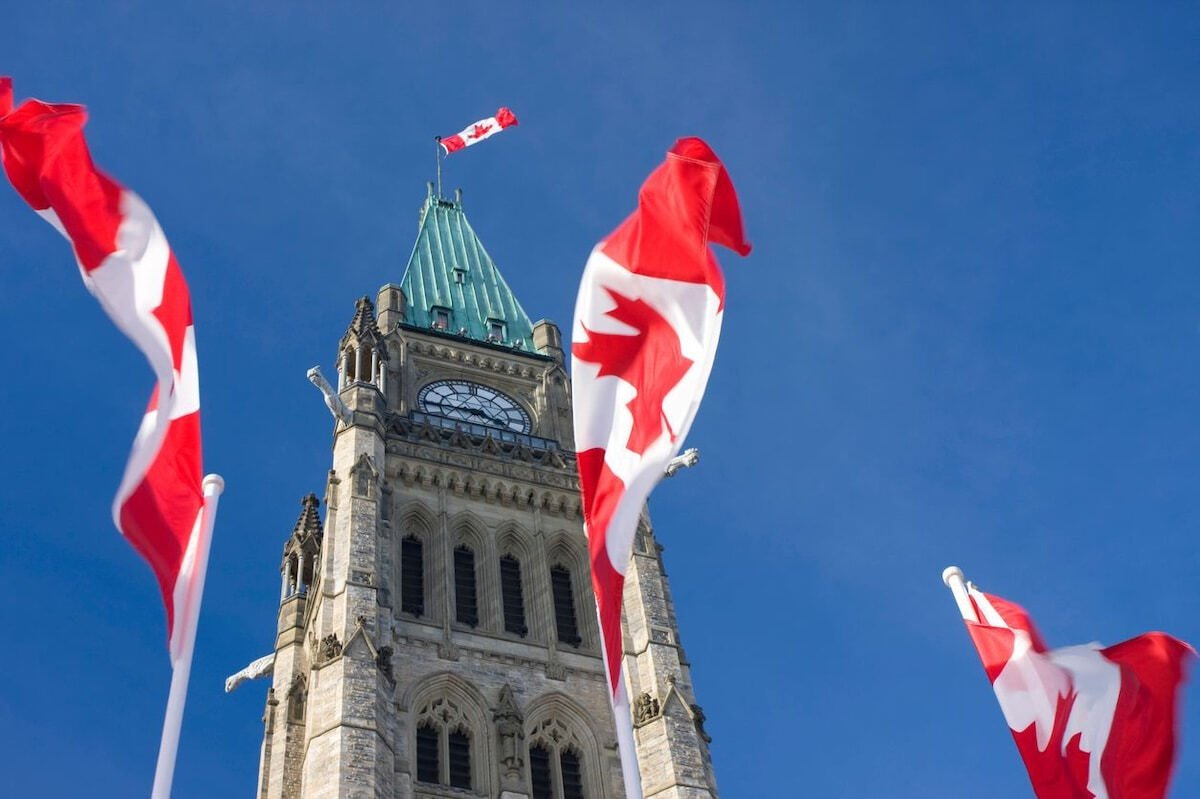
Bill C-3, An Act to amend the Citizenship Act, came into force on December 15, 2025, and changed who qualifies as a Canadian citizen by descent.
The law removed the first-generation limit, a rule that stopped Canadian citizenship from passing to children born outside Canada when their Canadian parent was also born abroad.
As a result, anyone born before December 15, 2025, with an unbroken line of descent from a Canadian is now most likely also a Canadian citizen, no matter how many generations separate them from that ancestor.
Table of contents
Overview
Bill C-3 is a Canadian citizenship law that came into force on December 15, 2025 and changed who can be a Canadian citizen by descent. Under Bill C-3, Canadian citizenship can now pass beyond the first generation born outside Canada.
If you have a Canadian-born parent, grandparent or earlier ancestor, Bill C-3 may affect you. This page explains what the law changed, why it was passed, and what to do if you think the new rules apply to you.
Why Bill C-3 was passed
Bill C-3 was the result of a court ruling and a legislative process that began in 2023.
The 2023 court decision
On December 19, 2023, the Ontario Superior Court of Justice decided the case of Bjorkquist et al. v. Attorney General of Canada. The court found that key parts of the first-generation limit were unconstitutional.
According to an Immigration, Refugees and Citizenship Canada (IRCC) briefing note, the court ruled that the first generation limit unjustifiably limited mobility and equality rights under the Canadian Charter of Rights and Freedoms. The Charter is the part of Canada’s Constitution that protects basic rights.
The core issue was fairness. Canadians born abroad were full citizens. However, they faced limits on passing citizenship to their children that did not apply in the same way to Canadians born in Canada. The families who brought the case argued that this made them “second-class” citizens.
The government’s response
The Government of Canada did not appeal the decision. It recognized that the law had unacceptable outcomes for Canadians whose children were born outside the country. Instead, it moved to amend the Citizenship Act.
The court suspended its ruling several times to give Parliament time to pass a new law. The government first introduced Bill C-71 in May 2024, but it did not become law. Instead, Bill C-3 was introduced on June 5, 2025 as a response to the court’s ruling, received royal assent, and passed later that year.
Bill C-3 also extended citizenship to some remaining “Lost Canadians.” IRCC uses this term for people who lost or never got citizenship because of outdated rules in earlier citizenship laws. It also covers their descendants.
What was the first-generation limit?
The first-generation limit was added to the Citizenship Act on April 17, 2009, and was the rule Bill C-3 changed.
Under this rule, citizenship by descent was generally limited to the first generation born outside Canada.
In other words, a Canadian parent could pass on citizenship to a child born or adopted abroad as long as they were Canadian before the child’s birth or adoption. However, under the first generation limit, citizenship by descent stopped after that first generation. If the child grew up and had children of their own outside Canada, those children, the second generation, generally would not automatically be Canadian citizens.
A simple hypothetical example can show how this worked:
A woman was born in Canada and moved to the United Kingdom, where her son was born. Her son was a Canadian citizen by descent. If her son later had a daughter in the United Kingdom, the daughter generally could not become a citizen automatically, due to the first generation limit.
There were some exceptions to the 2009 rule, for example for some children of Canadian Crown servants working abroad. Many families’ cases also depend on older citizenship laws. That is why it is not always possible to judge a case by counting generations alone.
Bill C-3 eliminated the first generation limit for those born before December 15, 2025. The rules that now apply depend on whether a person was born or adopted before or after December 15, 2025.
How Bill C-3 affects people born before December 15, 2025
For many people born abroad before December 15, 2025, Bill C-3 changed their status without any application. In most cases, a person born outside Canada to a Canadian parent before that date is now automatically a Canadian citizen.
This includes people who would have been citizens if not for the first-generation limit or certain outdated rules in earlier citizenship laws. Becoming a citizen this way is called acquiring citizenship “by operation of law,” meaning the law itself made the person a citizen.
In some families, more than one generation is affected at the same time. For example, a person’s parent may also have become Canadian because of Bill C-3. IRCC confirms that the new rules also apply to people born to someone who became Canadian because of these changes.
People adopted abroad follow a different legal process. They do not become citizens automatically under these rules. Instead, they may be eligible to apply for a direct grant of citizenship for an adopted person.
If Bill C-3 applies to you, do you still need to apply?
You do not apply to become a Canadian citizen if Bill C-3 already made you one. Instead, you apply for proof that you are a citizen.
The main form of proof is a citizenship certificate which is an official document that confirms your Canadian status. Applying for a certificate is also how you find out for sure whether you are a citizen. Once you have a Canadian citizenship certificate, you can use it to apply for a Canadian passport.
These three things are important to differentiate between:
- Citizenship status: whether the law makes you a Canadian citizen.
- Proof of citizenship: a citizenship certificate that documents your status.
- Canadian passport: a travel document. You generally need proof of citizenship before you can apply for one.
Until IRCC confirms your case, it is best to think of yourself as someone who may be a Canadian citizen.
It’s also worth noting that Bill C-3 is now part of the Citizenship Act. Amending it is a complex and time-consuming process that is unlikely to happen on an expedited timeline. While Parliament could change the Citizenship Act again in the future, legislation does not take away citizenship from those who are already Canadian citizens.
Canadian citizenship can be revoked, but only in specific situations, like when it was obtained through fraud or misrepresentation. This is one of the reasons giving complete and accurate information in your application is essential.
How the rules work for people born on or after December 15, 2025
For children born or adopted abroad on or after December 15, 2025, Bill C-3 created a new requirement. If the Canadian parent was also born or adopted outside Canada, the child’s citizenship depends on that parent’s substantial connection to Canada.
What is the substantial-connection test?
The Canadian parent born or adopted abroad must have at least 1,095 days (three years) of cumulative physical presence in Canada before the child’s birth or adoption.
Key points about this test:
- It applies to the parent, not the child. The child’s own time in Canada does not count toward it.
- The days are cumulative. They do not need to be in a row. Time spent in Canada at different points before the birth can be added together.
- Timing matters. Only days before the child’s birth or adoption count.
- It looks forward. The test applies to births and adoptions on or after December 15, 2025. It does not apply to people born before that date.
For these children, the parent’s time in Canada is shown when applying for proof of citizenship. For adopted children, it is shown when applying for a direct grant of citizenship.
If you are planning a family abroad and were born outside Canada yourself, this rule may affect your future children. Keeping records of your time in Canada can help later.
What to do if you think Bill C-3 applies to you
- Map your family line. Identify your closest Canadian ancestor and each generation between you and that person.
- Gather the core records. Collect documents, such as an official birth certificate, that show parentage and Canadian citizenship for each person in the line.
- Apply for a citizenship certificate. IRCC reviews your documents and confirms whether you are a citizen, though processing times can vary.
- Apply for a passport if approved. Once you have your citizenship certificate, you can apply for a Canadian passport.
Records IRCC expects
Your proof of Canadian citizenship application must be supported by authentic, reliable and verifiable documents for every generation in your claim. Documents must come from the original authority that created or keeps the record, like a civil registry or vital statistics office. Genealogy websites and other third-party records cannot be your only evidence.
If you cannot get an official record, IRCC asks you to explain why in writing and show proof that you tried to get it.
When legal advice may help
An experienced citizenship lawyer can save you time and effort by working out what evidence you need and how to get it. They can also help make sure you submit the strongest possible application, which may reduce the risk of delays or requests for more information.
Legal help can be especially useful in complex cases, such as those involving adoption, older rules that caused a loss of citizenship, name changes or missing records.
Contact Cohen Immigration Law for Canadian Citizenship Assistance
Do you think Bill C-3 may have made you a Canadian citizen? The Cohen Immigration Law Firm can help. Cohen Immigration Law offers over 50 years of expertise helping people navigate Canadian immigration and citizenship rules, including applying for proof of Canadian citizenship.
If you are not sure where you stand yet, you can check whether you may be a Canadian citizen by descent or learn more about holding dual citizenship with Canada.
Get a Free Consultation on applying for Canadian Citizenship